Skip to content
Nicaragua: A Persecuted Church

For the record

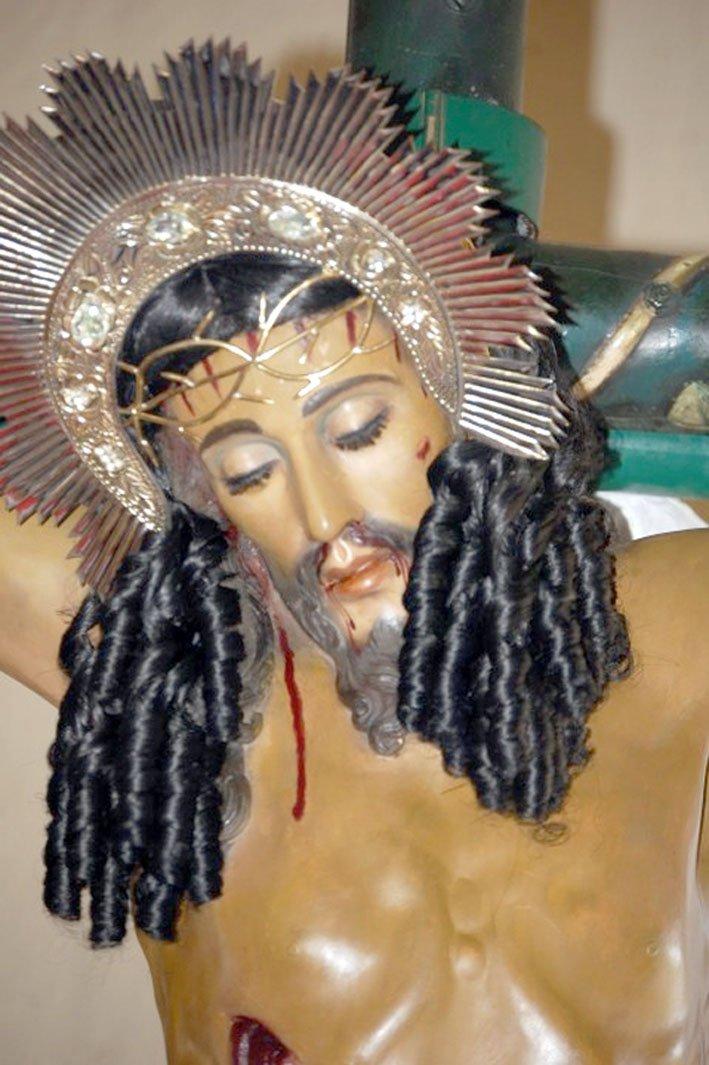
The faceless Christ

It arrived from Guatemala in 1638, survived earthquakes and stood with Managua for almost four centuries. On July 31, 2020, a Molotov cocktail left it without a face.

As it is today

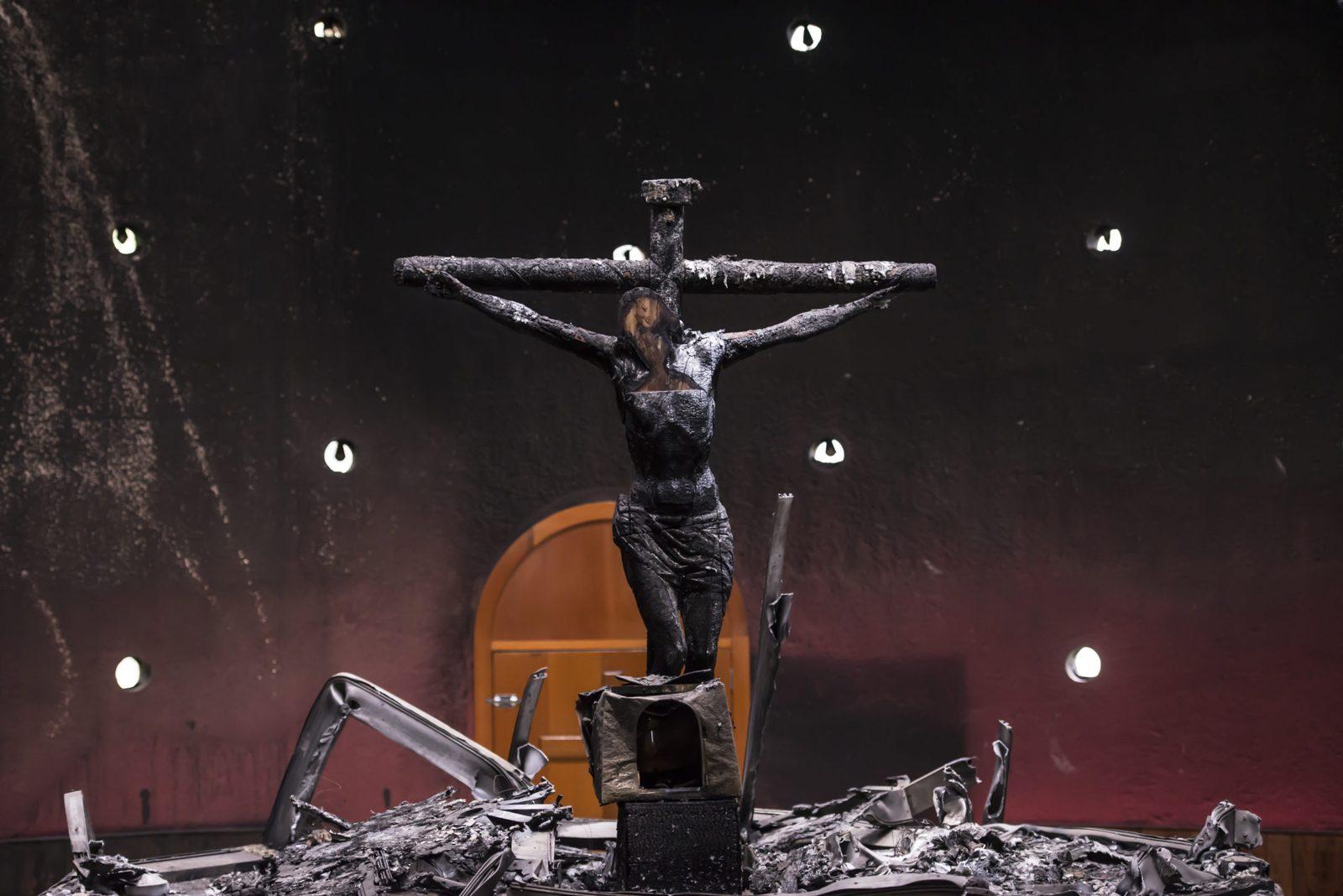
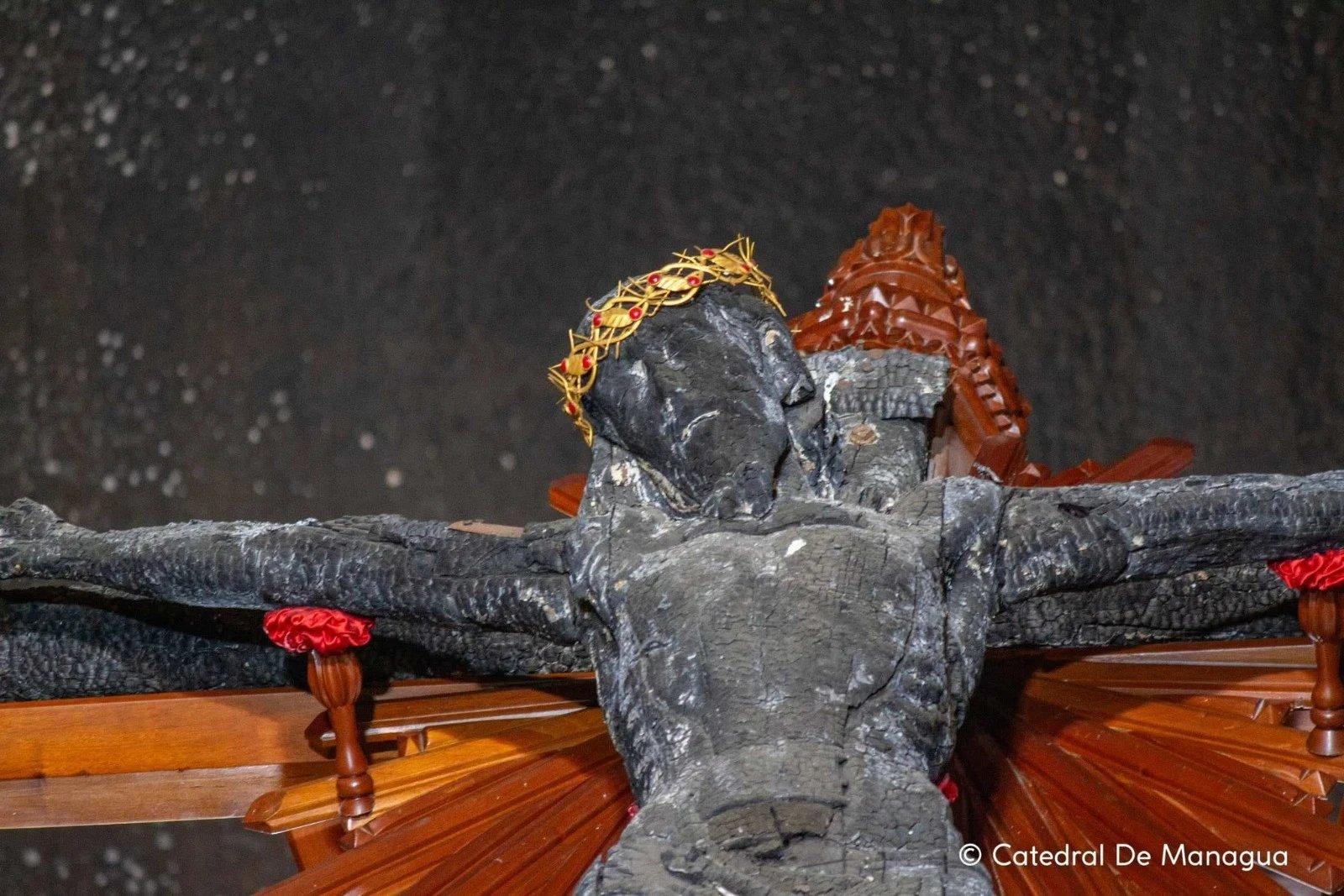
It remains in the Cathedral just as the fire left it: charred and unrestored.

The Blood of Christ image in Managua Cathedral. Photo: © Catedral de Managua

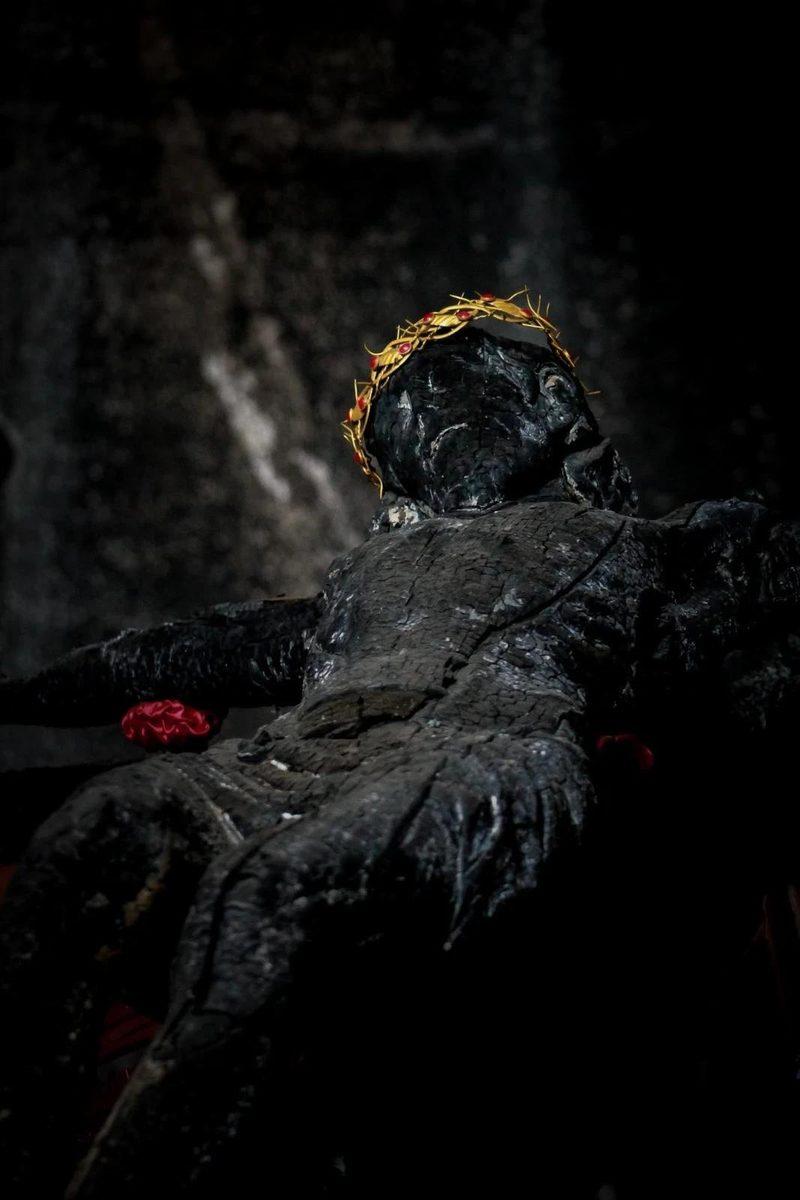
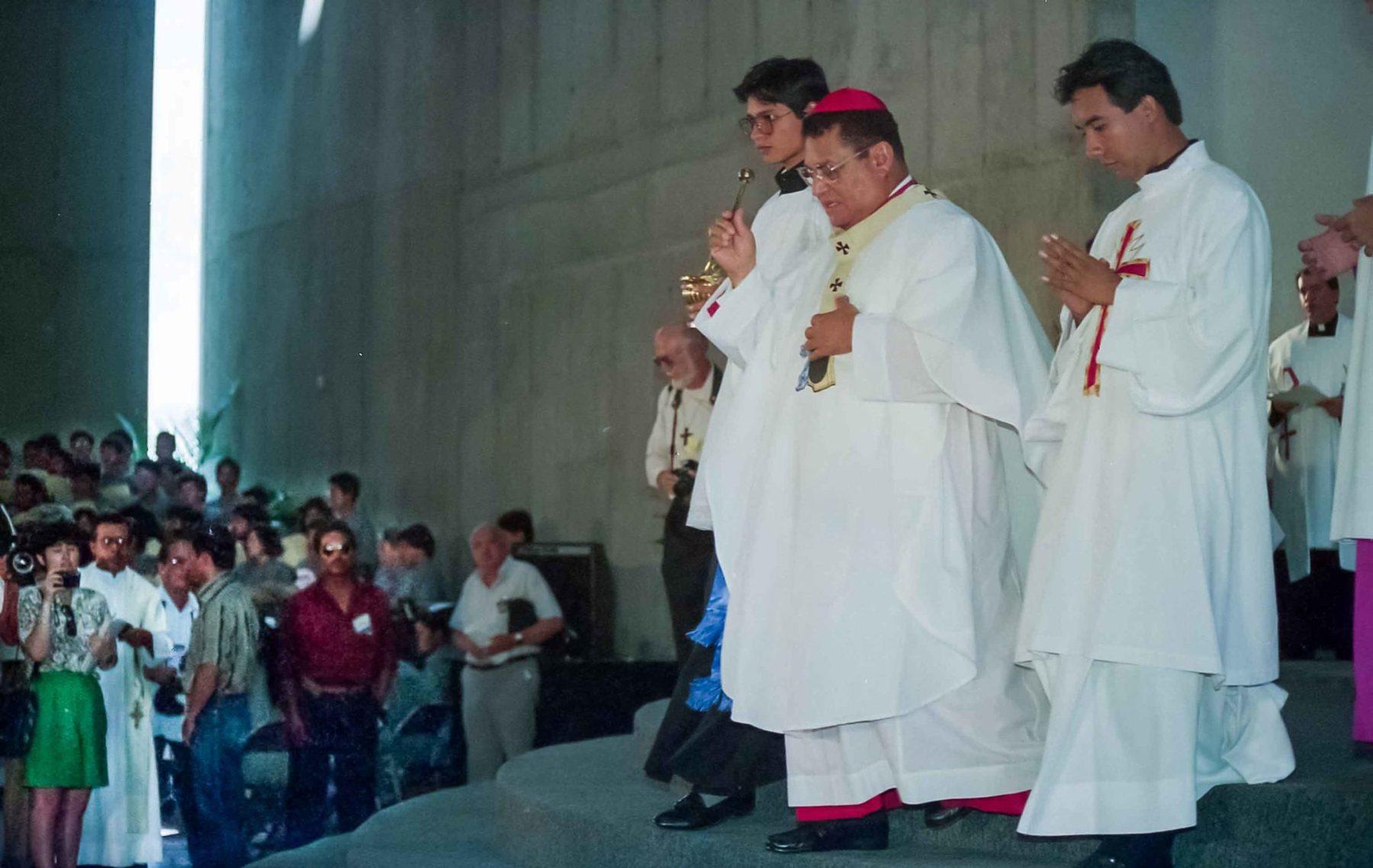
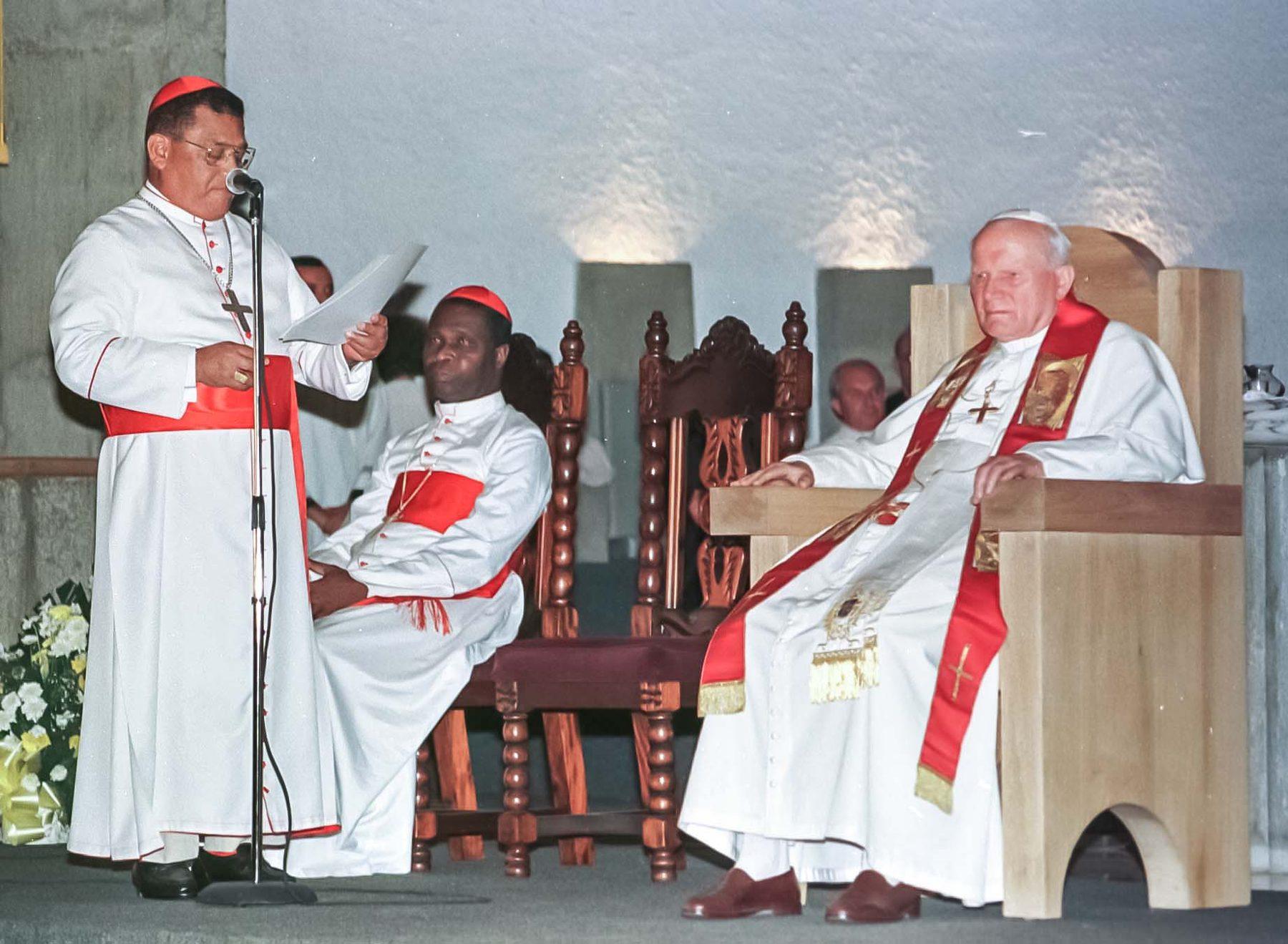
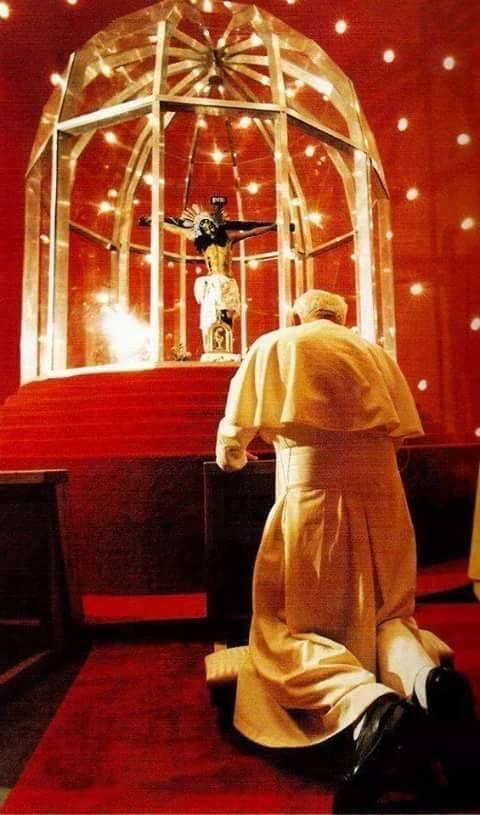
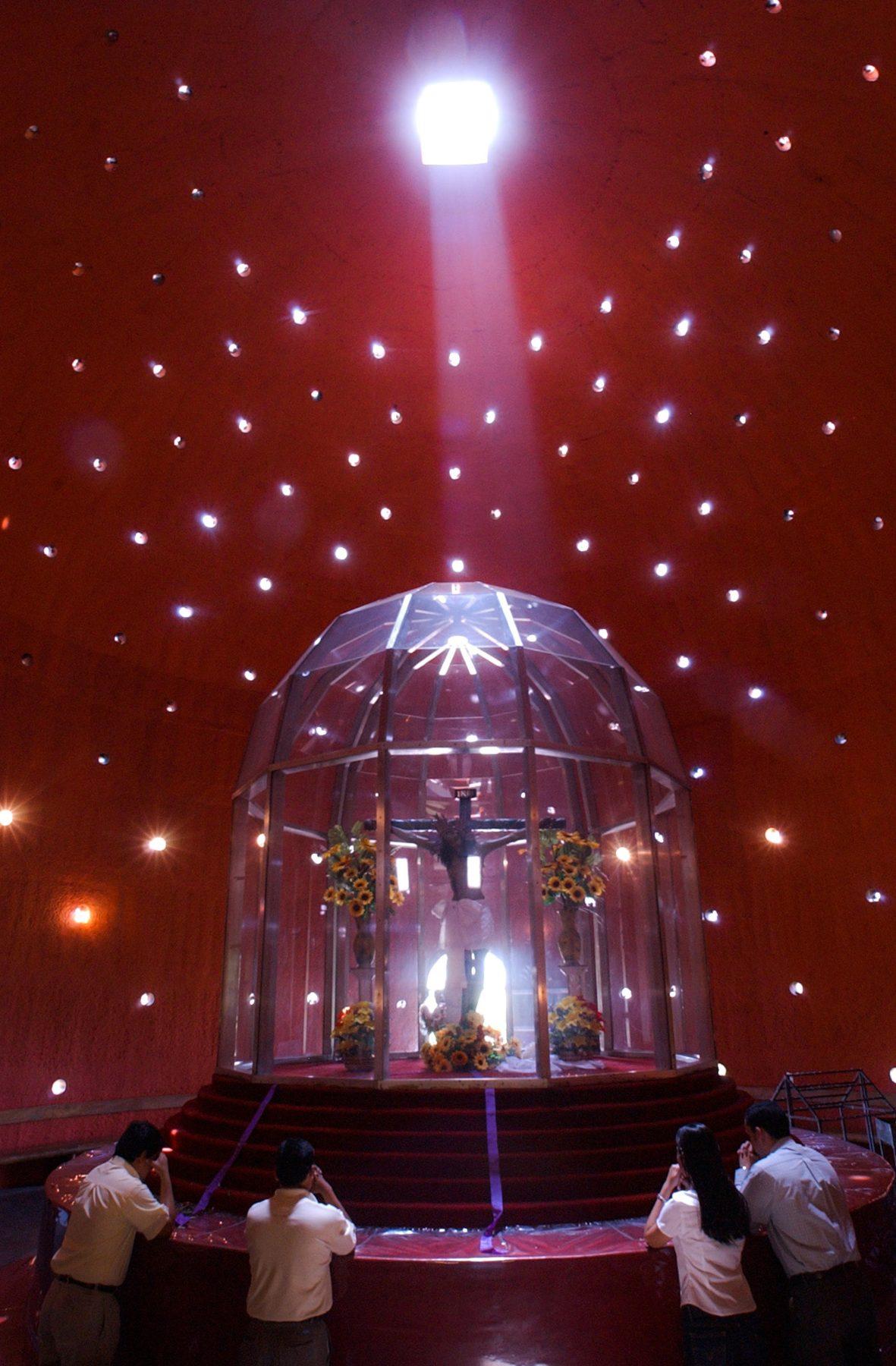
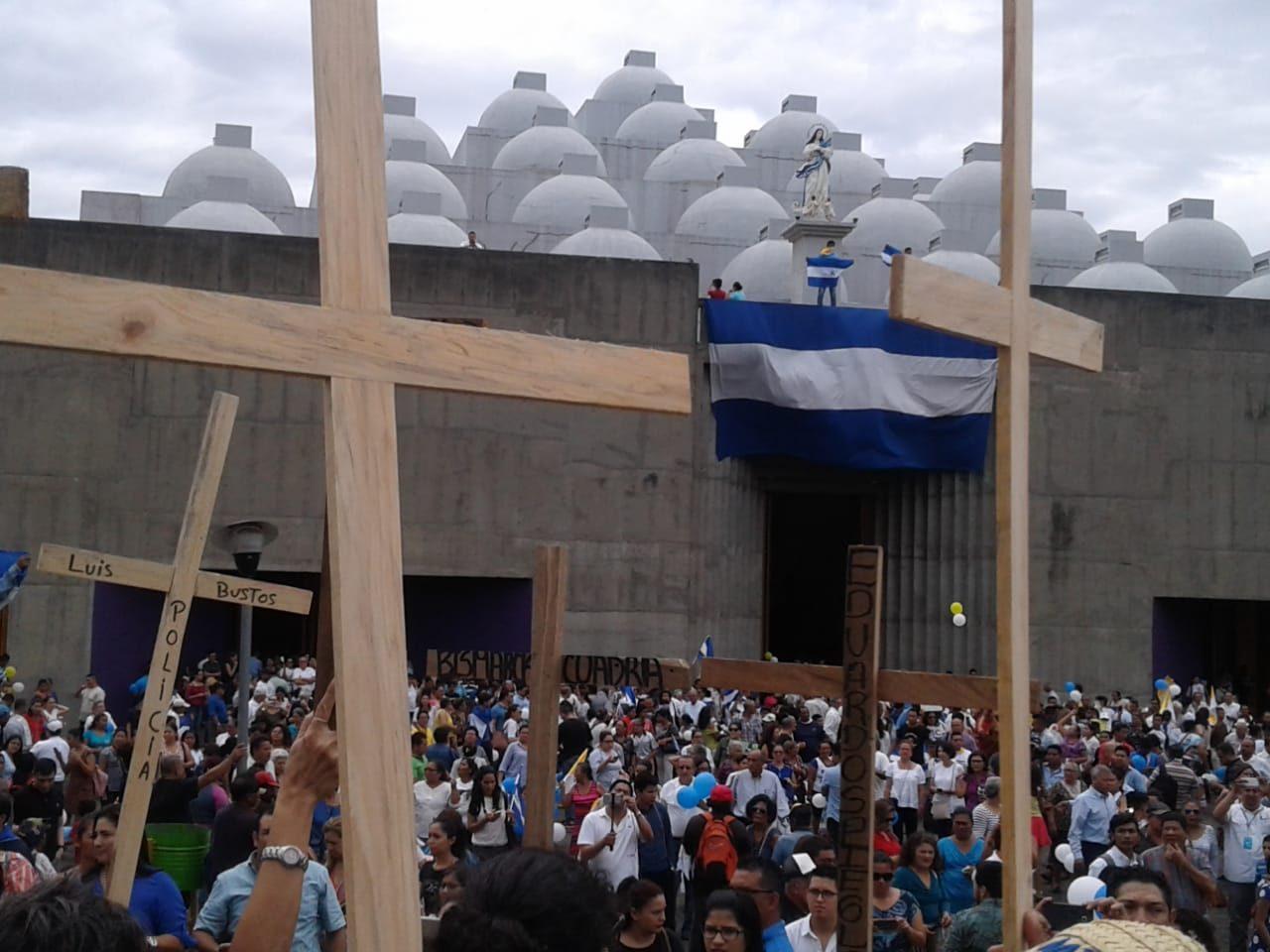
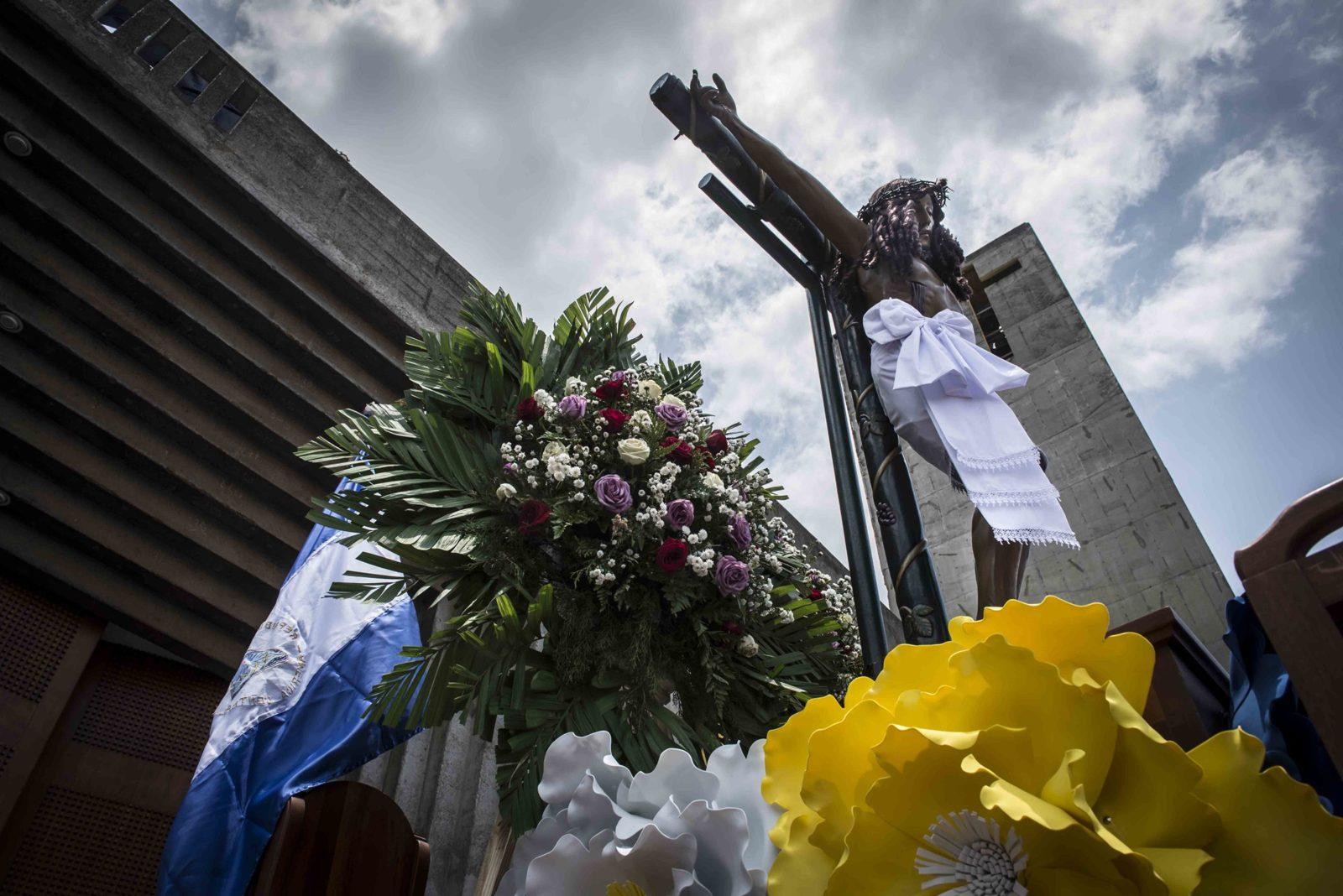
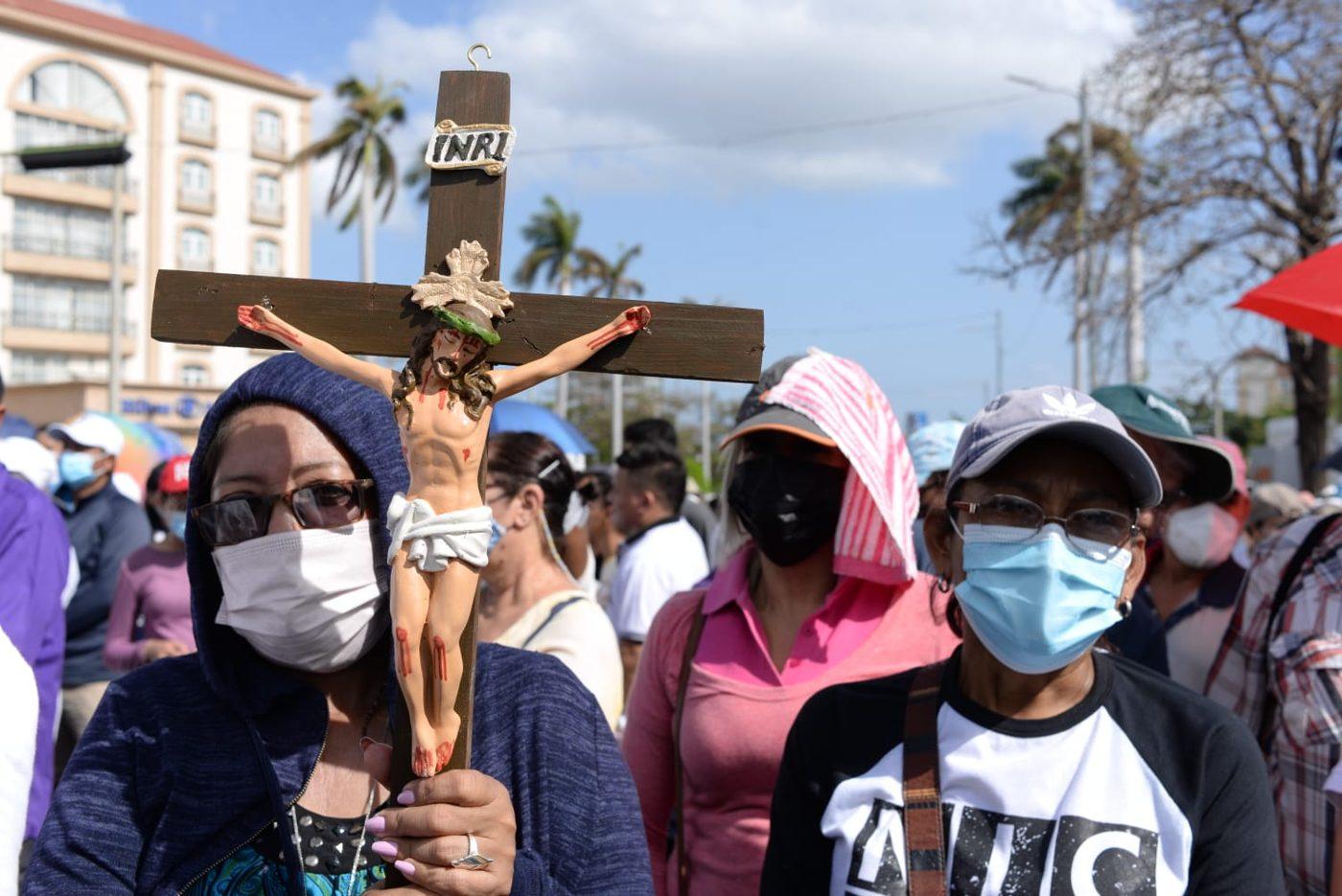
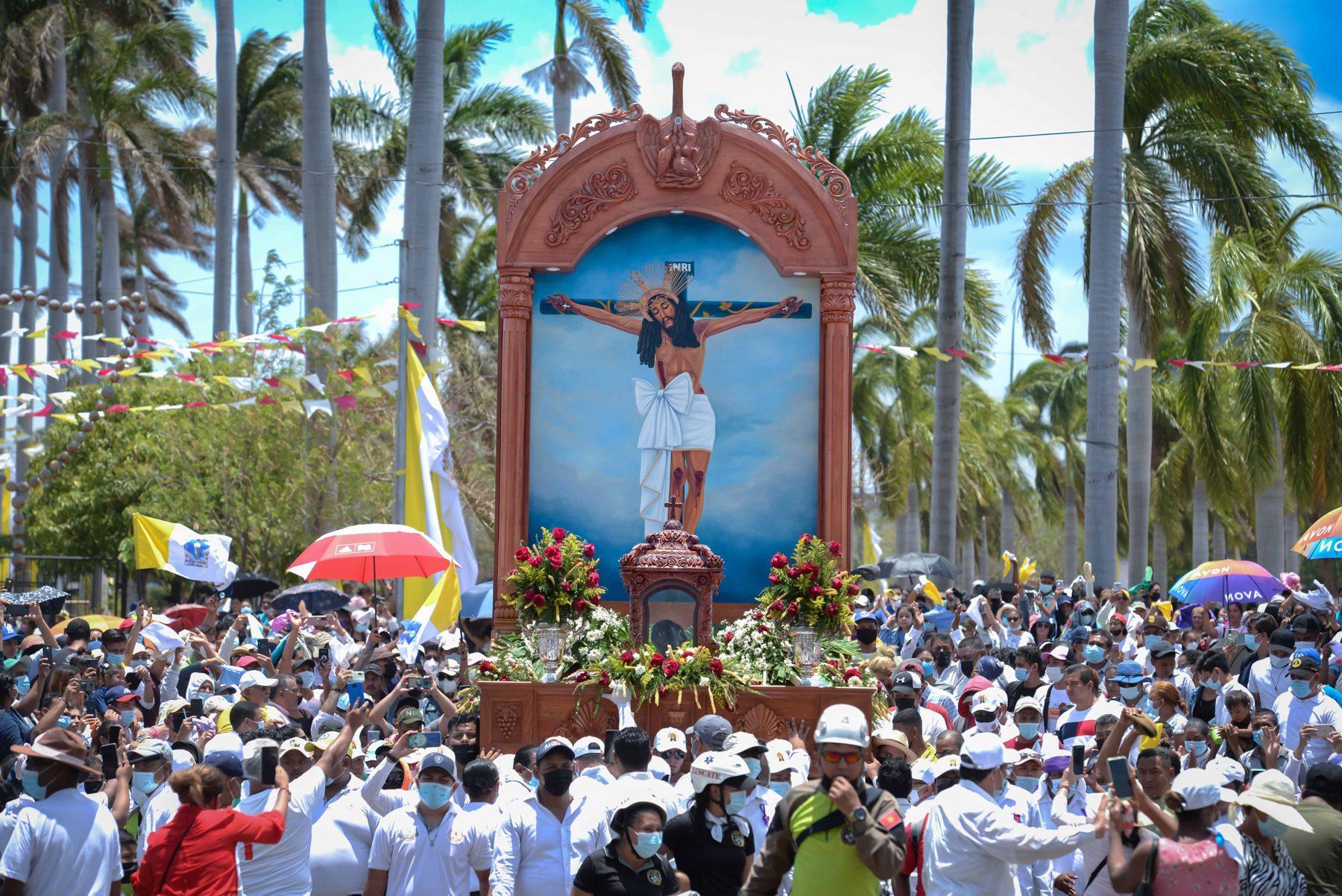
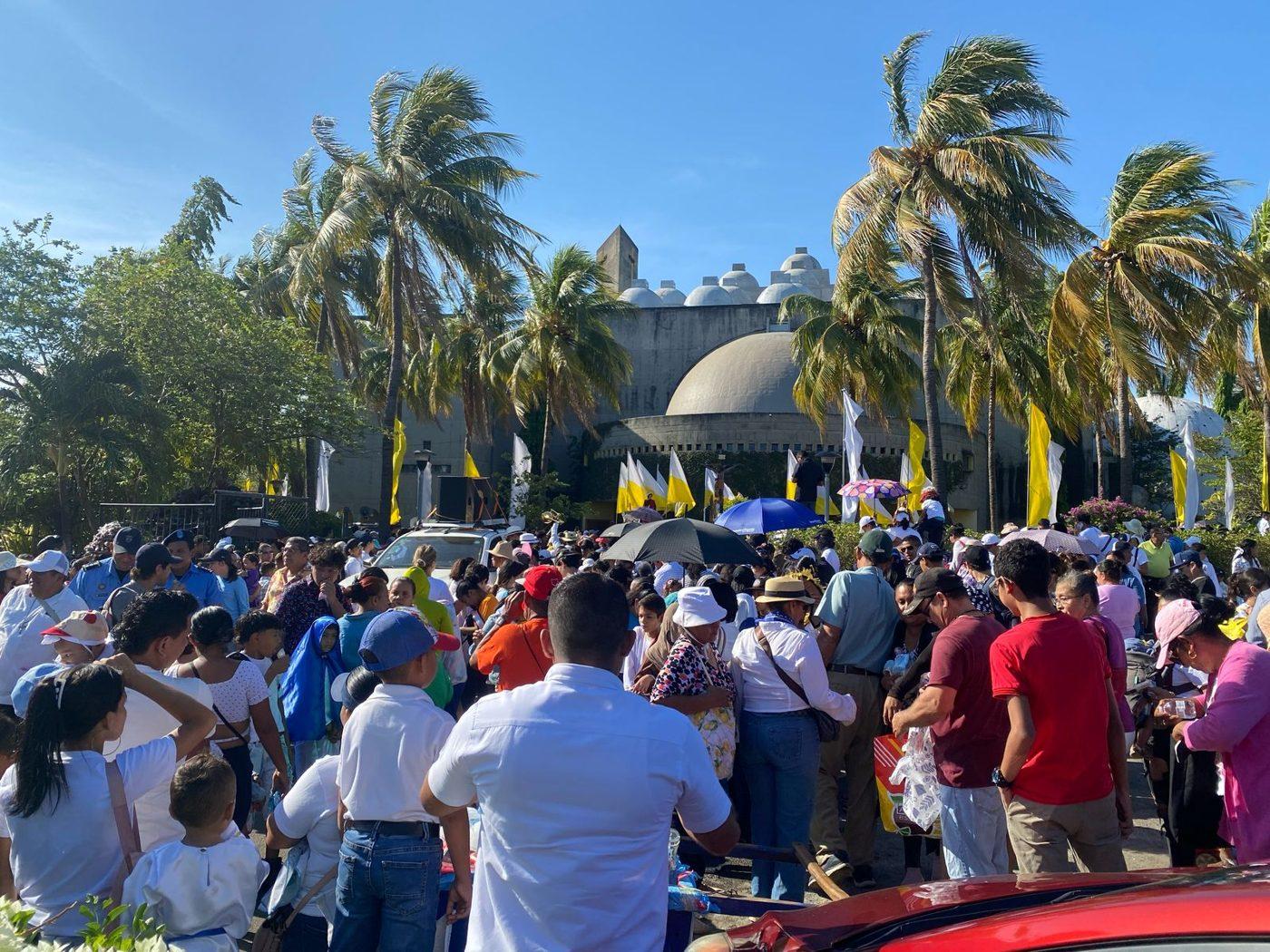
Face of the Blood of Christ image, with crown of thorns and halo, before the fire.Cardinal Miguel Obando y Bravo, in mitre and white vestments, celebrates among priests before the faithful in the new Cathedral.Cardinal Obando reads a message standing; to his right, seated, Pope John Paul II in a red stole.John Paul II, in a white cassock, kneels in prayer before the crucified image under its glass dome, in the red-walled chapel.The crucified image under a glass dome in the red-walled chapel; faithful pray at its feet.Wooden crosses and a Nicaraguan flag in front of Managua Cathedral, among a crowd.The Blood of Christ image, crucified with a white cloth, on its flower-covered float in front of the Cathedral towers.The charred crucifix, blackened by fire, among the debris of the chapel.A masked woman holds a crucifix during the Way of the Cross; a large cross rises behind her.A crowd of faithful in white shirts carries a large painting of the crucified Christ with flowers; the small wood-and-glass urn rides at its foot.A crowd with yellow and white flags fills the Cathedral grounds.The charred Christ, blackened by fire and with cracked wood, wearing a golden crown of thorns, on its cross inside the Cathedral.

Almost four centuries with its people

The Blood of Christ is a 17th-century polychrome wood carving by an unknown artist. According to Church records, it arrived in Nicaragua from Guatemala in 1638: in 2020 it had been here 382 years.

In Managua it had seven homes: the churches of Veracruz, San Miguel, San Sebastián, San Antonio, Monte Tabor, Pius X and the Cathedral. The first was Veracruz, where Parque Darío stands today, and there people called it the “Lord of Miracles.” It survived four earthquakes; in 1931, on Holy Tuesday, it was the only thing saved from the church of San Antonio.

Tradition credits it with stopping a cholera epidemic in the mid-19th century. In 1993 Cardinal Obando brought it to the new Cathedral, and in 1996 Pope John Paul II prayed before it.

It was never an image kept out of sight. Every year it was taken down from its altar, and people came to the lowering with palms and pacaya flowers; fourteen girls carried the cushions it was laid on, and it was cleaned with perfumed cotton. It was watched over until midnight with coffee, rosquillas and sweet bread, and at dawn a solemn Mass was sung among fireworks. Its great procession was in July, and later it had another on Holy Wednesday.

Its devotees left it thousands of gold ex-votos, and some bequeathed it houses and land: it came to own cattle ranches. In the Cathedral, William Pérez, for years the head of the Knights of the Blood of Christ, watched people come to fulfill their vows: young men who had survived a stabbing or a gunshot, and mothers with their newborns giving thanks for a safe birth. Monsignor Silvio Fonseca called it “the heritage of a whole national history.”

Sources: Despacho 505, Catholic.net, La Prensa, La Prensa (2002), La Prensa Domingo
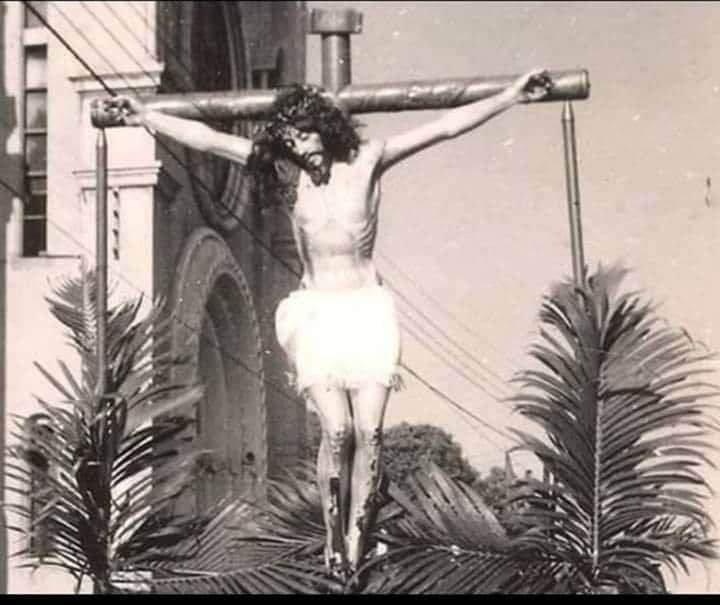
Old black-and-white photo: the crucified image, in a white loincloth, moves in procession among palms in front of a church.
The image in one of its processions. Photo: LA PRENSA/Courtesy
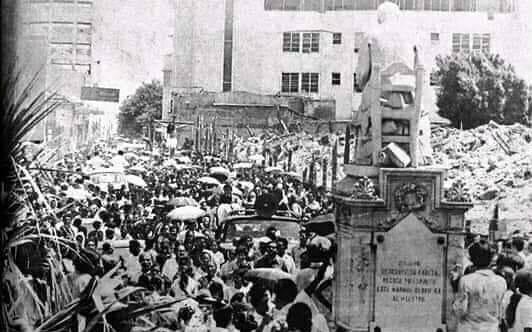
Black-and-white photo: a crowd with umbrellas follows the procession down a street, among ruined buildings.
Procession in the 1970s. Photo: LA PRENSA/Courtesy
The charred image seen from below, black and cracked by the fire, with a golden crown of thorns and red ribbons.
The charred image, with a golden crown of thorns. Photo given to this site.

What Pope Francis said

Two days after the attack, on Sunday, August 2, 2020, Pope Francis named the image from the window of the Apostolic Palace, at the end of the Angelus, before the whole world:

«I am thinking of the people of Nicaragua who are suffering because of the attack in the Cathedral of Managua, where an image of Christ that is highly venerated, that has accompanied and sustained the life of the faithful people for centuries, was greatly damaged, almost destroyed. Dear brothers and sisters in Nicaragua, I am near you and am praying for you.»

Pope Francis, Angelus of August 2, 2020 (vatican.va)

The faith of its people

Managua did not only visit it in its chapel: people walked with it in the streets, and kept doing so when that began to carry a cost.
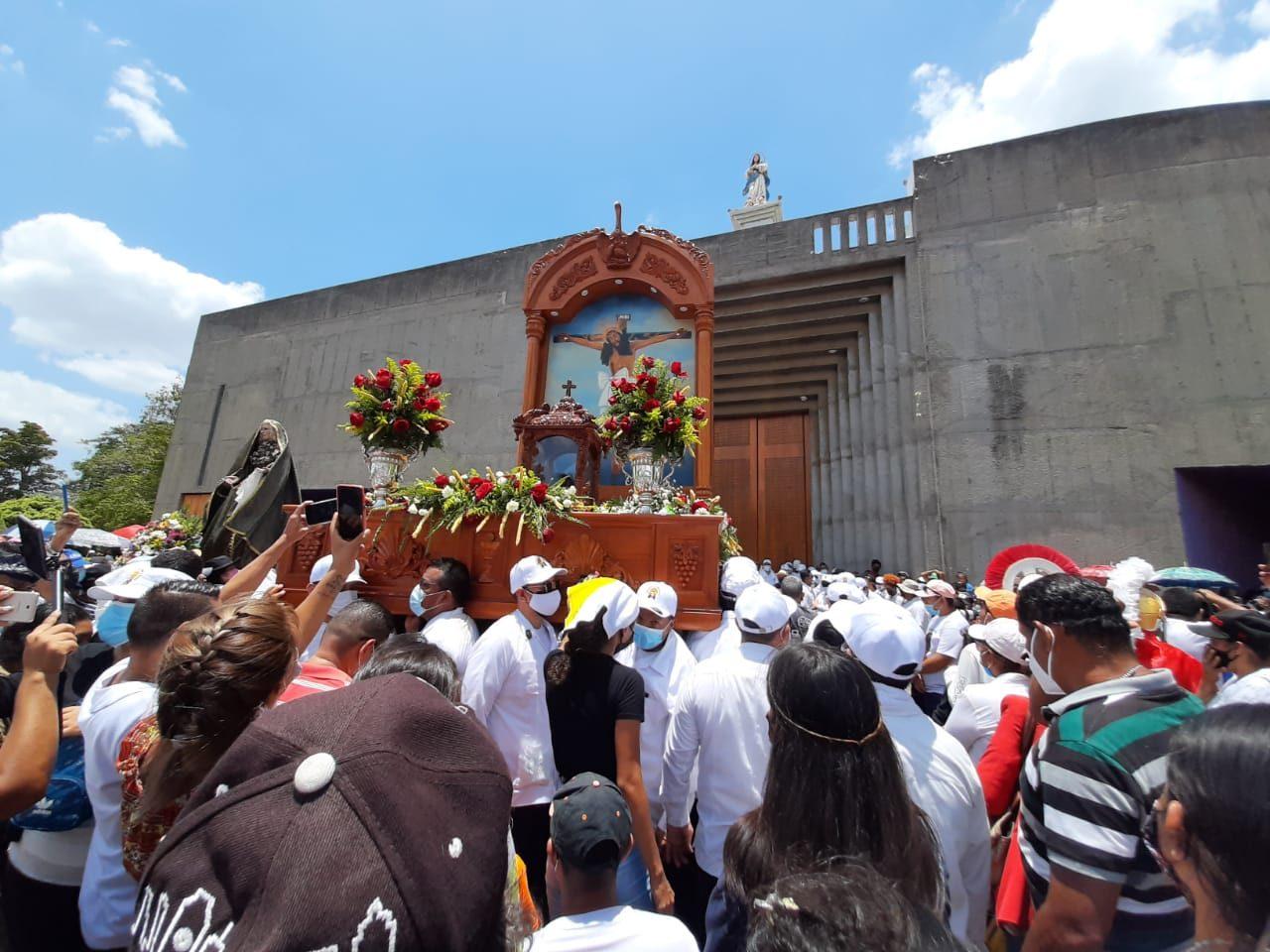
A crowd reaches the Cathedral at midday with the urn and flowers, during the 2022 Way of the Cross.
The faithful reach the Cathedral, Good Friday 2022. Photo: LA PRENSA
  1. Every Good Friday

    The penitential Way of the Cross with the Blood of Christ left the Colegio Teresiano at 8 a.m. and went down the Carretera a Masaya to the Cathedral.

    Artículo 66
  2. October 2018

    In the middle of the government’s campaign against Bishop Silvio Báez, after a Mass in support of him, the faithful left crosses in the Cathedral courtyard bearing the names of that year’s dead. Earlier, citizen protesters had placed them at the Jean Paul Genie roundabout, and Sandinista supporters tore them down and destroyed them.

    100% Noticias
  3. Good Friday 2019

    Mothers and relatives of those killed in 2018 carried wooden crosses in the Way of the Cross. When the procession ended, the Police attacked the faithful.

    La Prensa
  4. April 15, 2022

    After two years suspended by the pandemic, a huge Way of the Cross carried the painting of Christ and its burned face. It was about a kilometer shorter: it started near the Hotel Hilton and reached the Cathedral at midday.

    La Prensa
  5. July 9, 2023

    With processions banned from the streets, more than a thousand faithful venerated it in the Cathedral gardens. Father Said Ruiz said the image “will not go out through the streets.”

    La Prensa
  6. Good Friday 2025

    The Way of the Cross was held inside the Cathedral grounds, with police patrols watching it from inside.

    La Prensa

Seeing the burned image, a Nicaraguan priest recalled the prophet Isaiah:

«“His visage be inglorious among men” … “a man of sorrows”.»

Isaiah 52:14; 53:3 (Douay-Rheims)

What happened

  1. July 31, 2020, around 11:00 a.m.

    A hooded man throws a Molotov cocktail into the Blood of Christ chapel. The crucifix is completely charred, and consecrated hosts burn as well.

    Read the article
  2. August 2, 2020

    Pope Francis speaks of Nicaragua at the Angelus. That same day the Bishops’ Conference condemns the attack as a planned act of terrorism.

    Read the article
  3. August 2020

    The Police rule out that it was intentional. Nuncio Waldemar Sommertag calls for a serious, careful and transparent investigation.

    Read the article
  4. February 2024

    Reports say a restoration of the image in Guatemala is being prepared. There is no public confirmation that it took place.

    Read the article
  5. June 30, 2025

    The charred face, kept in a glass urn, is placed back in the Cathedral on its feast day.

    Read the article
  6. July 31, 2025

    Five years later, the chapel walls are still blackened and the chapel remains closed.

    Read the article
What they said

Their exact words, each linked to where it was published. Spanish quotes are our translation.

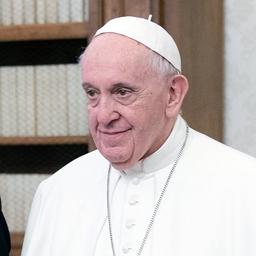
«I am thinking of the people of Nicaragua who are suffering because of the attack in the Cathedral of Managua, where an image of Christ that is highly venerated, that has accompanied and sustained the life of the faithful people for centuries, was greatly damaged, almost destroyed. Dear brothers and sisters in Nicaragua, I am near you and am praying for you.»
Pope FrancisAngelus, August 2, 2020 · vatican.vaPhoto: The White House, dominio público
«It was a planned act. I want to make it very clear, because there may be speculation that it was caused by a candle or a votive light: I want to say there were no candles there!»
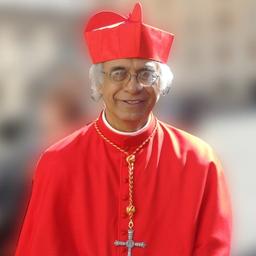
Cardinal Leopoldo BrenesArchbishop of Managua, July 31, 2020 · Vatican NewsPhoto: Pufui Pc Pifpef I, CC BY-SA 3.0
Bishop Silvio Báez@silviojbaez

They attack the image of Christ because He is nailed to the cross, they assault the Church because it does not use violence, they repress the people because they cannot defend themselves. They are deceived. The image of the Blood of Christ today shows the pain of the suffering people of Nicaragua, who will surely rise again.

Translated from Spanish

Jul 31, 2020View on X
Bishop Silvio BáezAuxiliary Bishop of Managua, July 31, 2020 · X
«We condemn and reject such a violent and extremist act, typical of a terrorist act, premeditated and planned to gravely offend our faith.»
Nicaraguan Bishops’ ConferenceStatement, August 2, 2020 · Confidencial
«He called for “a serious, careful and transparent investigation.”»
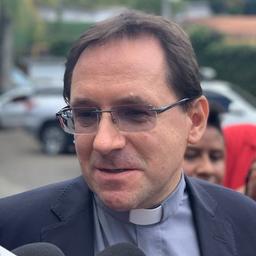
Archbishop Waldemar SommertagApostolic Nuncio to Nicaragua, August 2020 · Voz de AméricaPhoto: Houston Castillo / Voice of America, dominio público

The dictatorship’s version

Dictator Rosario Murillo, then vice president and now “co-president” alongside her husband Daniel Ortega, blamed a “candle fire.” Her Police later repeated the same version: it said the fire was not intentional and was caused by a candle. Cardinal Brenes replied that there were no candles in the chapel. To this day no one has been publicly identified as the attacker.

Artículo 66 · Voz de América · Vatican News

Sources

Photos: LA PRENSA/Óscar Navarrete · LA PRENSA · Rodrigo Arangua/AFP · 100% Noticias · Reina del Santisimo Rosario, CC BY-SA 4.0

Ask the archive